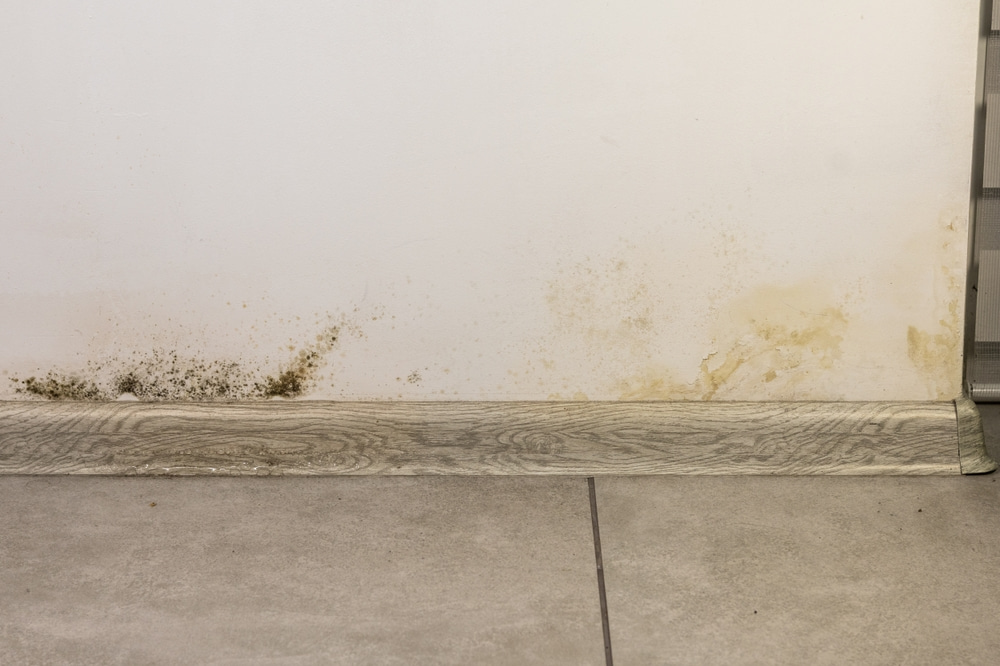
How long does it take to dry out a house after a flood

How to Know if Your Home Is Completely Dry After a Flood

A flooded room can look dry surprisingly quickly. Puddles disappear, and exposed surfaces may seem normal again, even while moisture remains beneath flooring, behind walls, or inside other building materials. 

Before repairs begin, the drying process needs to go beyond what you can see. Professional flood damage restoration in Solana Beach includes checking for moisture that may still be trapped inside affected materials before repairs move forward. Drying needs to continue until affected areas are ready for the next stage of recovery, not simply until the room looks better.

How long does it take to dry out a house after a flood?

There is no single drying timeline for every home. How long it takes depends on how far moisture traveled, which materials absorbed it, and the conditions inside the building.

Several factors can affect the timeline:

  • How far moisture traveled
  • Which materials became wet
  • The amount of airflow available
  • Indoor humidity during drying
  • Whether saturated materials had to be removed
  • How quickly extraction began

A small affected area may dry faster than a room where moisture has reached wall cavities or layers beneath the floor.

A plumbing failure can keep adding moisture until the source is stopped, so responding quickly after a pipe bursts inside the home can help limit how far the water spreads. Once the source is under control, drying the flooded home as soon as possible becomes the priority, using safe airflow and dehumidification where appropriate.

meticulous flood damage restoration in Solana Beach

Why a dry surface can be misleading

Finished surfaces are often the first things people check, but they do not show what may still be happening underneath.

Flooring may feel dry while padding or subflooring remains damp. Walls can look dry before moisture inside the cavity is gone.

That is why timing alone should not decide when reconstruction begins. A room is not automatically ready for repairs just because several days have passed.

What signs can mean the house is still damp?

Some signs can show up after the visible water is gone.

Pay attention if you notice:

  • A persistent musty odor
  • Baseboards that still feel soft
  • Flooring that begins to warp or lift
  • Paint that bubbles after cleanup
  • Cabinet bases that remain swollen
  • Indoor humidity that stays unusually high

None of these signs should be used as the only test, but they can be a reason to check for lingering moisture.

The condition of the materials matters too. Before anything is covered or replaced, it helps to determine whether wet drywall or flooring can still be saved.

Humidity can provide another clue

Indoor humidity can offer another sign that the drying process is still underway. As wet materials release moisture, that water moves into the surrounding air. Dehumidifiers help remove it and support continued drying. If humidity stays unusually high, some materials may still be releasing moisture even when the room no longer feels obviously wet.

How do professionals confirm drying is complete?

Professionals use moisture readings to check whether affected materials have reached an appropriate condition.

They may compare readings from damaged areas with dry materials elsewhere in the home and track those measurements over time. This helps identify spots that still need more drying before new finishes are installed.

These checks can be especially useful beneath flooring or around built-ins, where dampness may remain without showing clear surface changes.

Professional flood damage restoration in Solana Beach

Who can offer meticulous flood damage restoration in Solana Beach & nearby areas?

If rooms look dry but you are still noticing odors, soft materials, or other signs that moisture may remain, Quick-Dry Flood Services can help determine what still needs attention. Our team brings nearly 60 years of experience and offers 24/7 response for properties affected by leaks and other unexpected water events.

Whether you live near Stevens House in La Colonia Park or elsewhere in Solana Beach, we can check affected areas before repairs move forward and help confirm whether additional drying is needed. Get in touch with us today!

thorough water removal in Solana Beach, CA

Why Moisture Detection Matters After Water Damage

Moisture after water damage is not always easy to judge by sight. What matters is whether water has reached materials that are still holding it, even after the obvious cleanup is finished.

That is where professional water removal in Solana Beach becomes more than a surface-level job. Technicians use moisture checks to trace how far water traveled and decide which areas still need drying before repairs move forward. Moisture detection during the drying process helps turn that guesswork into something measurable.

What’s a normal moisture reading in a house?

There is no single moisture reading that is considered normal for every material in a house. Wood and drywall can hold moisture differently, and indoor conditions can affect the numbers too.

After a flood, a moisture meter can help check whether materials are dry enough for refinishing. Flood cleanup guidance for checking moisture levels generally points to 15% or less before refinishing affected materials.

Technicians may also compare those readings with dry materials elsewhere in the property. That makes it easier to tell whether an area is still holding more moisture than it should.

What's a normal moisture reading in a house

Why one reading does not tell the whole story

A single measurement in the middle of a room may miss dampness nearby. Moisture can move along building materials and settle in locations that are difficult to see.

Areas that may need additional testing include:

  • Wall cavities near the original leak
  • Baseboards and lower sections of drywall
  • Flooring near cabinets or built-ins
  • Subflooring beneath finished surfaces
  • Materials in an adjoining room

This is particularly important after a plumbing failure, because water can move well beyond the area where the leak started. After a burst pipe sends water through the home, moisture detection helps show how far that spread actually reached. 

Can a moisture meter detect water damage?

After a leak or flood, a moisture meter can help identify building materials that are still unusually damp. Depending on the type of meter, it may use probes inserted into a material or take a reading against its surface.

The tool does not diagnose every problem by itself, though. A reading needs context. Technicians consider where the reading was taken and compare it with nearby materials that were not affected.

Why hidden moisture matters before repairs

Some materials can appear normal on the outside while holding moisture deeper inside.

Drywall can absorb dampness from below. Flooring may also hide moisture in the padding or layers underneath the finished surface. Closing those areas too soon can leave the underlying problem unresolved.

Testing helps determine whether damp drywall or flooring can still be saved before replacement decisions are made. Materials that remain stable may respond well to controlled drying, while others may need to come out based on their condition and the type of exposure.

Moisture readings help track drying progress

Repeat measurements can show whether moisture levels are continuing to drop over time. Technicians may take readings in the same areas and compare them as drying continues.

That is why being able to confirm the house is completely dry matters before painting, installing trim, or starting other repairs.

What can happen if moisture is missed?

Hidden dampness can delay repairs and affect materials that originally seemed untouched. It may also contribute to odors or changes in finished surfaces later.

Testing before reconstruction can show where moisture is still present, so repairs are based on what actually needs work rather than where the water was first visible.

Can a moisture meter detect water damage

Where can I find thorough water removal in Solana Beach, CA & beyond?

Quick-Dry Flood Services helps property owners identify and address moisture after leaks, flooding, and other unexpected incidents. With nearly 60 years of experience and 24/7 availability, our team can assess affected materials and use professional drying methods to move the property toward a properly dried condition.

Whether you live near the Solana Beach Transit Center or elsewhere in the area, visible cleanup should not be the only measure of whether a room is ready for repairs. Reach out when you need help finding moisture that may still be hiding behind the surfaces you can see.

Can water-damaged drywall be saved

Can Water-Damaged Drywall and Flooring Be Saved?

When a home has a serious leak, one of the first questions is what can be saved and what needs to come out. Drywall, flooring, padding, and materials underneath the finished surfaces can absorb moisture quickly. Some may dry successfully when the response is fast and the source is clean, while swollen, contaminated, or persistently damp materials may need to be removed. 

Calling a professional water damage restoration service in Solana Beach can help you avoid guessing before repairs begin. Technicians can look beyond what is visible, check how far moisture has moved, and compare the condition of different materials before recommending the next step. That makes it easier to separate areas that may respond well to drying from those that are too damaged or contaminated to remain in place. 

Can water-damaged drywall be saved?

Sometimes, yes. Drywall may be saved when drying begins quickly, the board has not swollen, and the seams remain intact. If the material can be dried thoroughly without losing its shape or integrity, removing it may not be necessary.

Drywall is more likely to require removal when there are signs that it cannot be properly dried or cleaned, such as:

  • Soft, swollen, or crumbling sections
  • Bubbling paint or damaged seams
  • Moisture remaining inside the wall cavity
  • Wet insulation behind the board
  • Mold growth or persistent odor
  • Contact with contaminated water

Moisture can remain behind the visible face of the board even after the room begins to look dry. Drywall can also draw water upward from the floor, while insulation and other materials inside the wall may stay damp longer. That is why checking beyond the obvious wet area matters before the wall is closed, painted, or repaired.

Can water damaged floors be fixed

Can water damaged floors be fixed?

The answer depends on the material and how deeply moisture has moved. Tile, vinyl, laminate, carpet, and wood each respond differently.

For example:

  • Tile itself may remain intact, although moisture can still reach the grout or subfloor beneath it. 
  • The carpet may dry on top while the padding underneath stays damp.
  • Laminate often swells at the seams and may not return to shape.
  • Hardwood may cup, crown, or separate if dampness remains below it.
  • Subflooring may need attention even when the finished surface looks acceptable.

This is why knowing what to do right after a pipe bursts can make a difference. Stopping the source and calling for extraction quickly can help limit how far the issue spreads.

Why flooring decisions need testing

A floor may look dry long before the layers underneath are ready for repairs. Moisture can sit below planks, padding, or underlayment, especially near walls, doorways, cabinets, and transitions between rooms.

Technicians may use moisture meters alongside tools such as thermal imaging, air movers, and dehumidifiers to locate affected areas and monitor drying. Appearance alone is not enough to confirm that drying is complete. Moisture readings can help show whether affected materials are ready for repairs or refinishing. That is where measuring the materials before calling the house dry becomes essential. Reinstalling trim or replacing flooring too soon can trap moisture and create more work later.

When removal may be the safer choice

Drying is useful when materials are still stable and the source allows it. Removal may be needed when the material has lost its shape or could keep dampness trapped.

Removal may be recommended when:

  • Carpet padding stays saturated
  • Drywall is soft or sagging
  • Insulation is wet inside a wall
  • Cabinets swell at the base
  • Flooring separates or buckles
  • Odor remains after initial drying

This does not mean the entire room always has to be torn apart. A professional inspection helps define the affected area so the plan stays focused on what actually needs attention.

What should homeowners avoid?

The biggest mistake is starting cosmetic repairs too soon. Paint and new trim should wait until drying is confirmed.

It is also best to avoid:

  • Running household fans near unsafe electrical conditions
  • Pulling materials out before taking photos
  • Assuming the surface tells the full story
  • Ignoring odors after the room looks clean
  • Covering stained areas without checking moisture levels

Where can I find a dependable water damage restoration service in Solana Beach, CA & the surrounding areas

Where can I find a dependable water damage restoration service in Solana Beach, CA & the surrounding areas?

Before repairs begin, Quick Dry can help homeowners understand whether affected materials can be dried safely. Our team offers 24/7 response, moisture detection, controlled drying, cleanup support, and help with related concerns such as mold or sewage situations. With almost 60 years of experience, we understand how quickly a home incident can spread behind surfaces. Whether your property is near Fletcher Cove or elsewhere nearby, contact us today for prompt guidance and practical next steps.

How bad is a burst pipe in a house

What Should You Do After a Pipe Bursts in Your Home

A burst pipe can turn an ordinary day into a stressful cleanup fast. Moisture may spread across flooring, soak into walls, run under cabinets, or move into nearby rooms before you realize how much has escaped. The first few steps matter because they can help limit further issues while you wait for professional help. If you need water damage restoration in Solana Beach, knowing what to do right away can make the situation feel less chaotic and help the recovery process start on firmer ground.

How bad is a burst pipe in a house?

A burst pipe can be serious because pressurized flow spreads quickly until the supply is stopped. Even a short delay can affect flooring, drywall, cabinetry, and belongings.

The severity depends on several factors:

  • Where the pipe broke
  • How long the leak ran
  • Whether it reached wall cavities or flooring layers
  • What materials absorbed moisture

The visible puddle is only part of the concern. Moisture can continue into wall cavities or flooring layers, which is why checking for moisture beyond the obvious wet spots matters after a pipe failure.  A room can look better after towels and mops are used, but damp materials may still be holding moisture out of sight.

Should I turn off water after a pipe bursts

Should I turn off water after a pipe bursts?

If it is safe to do so, shut off the main valve as soon as you discover a burst pipe. That step stops more flow from feeding the break and can reduce the amount that enters the home.

After shutting it off:

  • Avoid standing liquid if electrical outlets, cords, or appliances are involved
  • Move furniture and personal items away from wet areas when possible
  • Take photos before major cleanup begins
  • Call a plumber to repair the line
  • Contact a professional team to extract moisture and dry affected materials

Do not assume the job is finished just because the active leak has stopped. Shutting off the supply prevents more liquid from entering, but it does not remove what has already soaked into the home.

Why fast action matters after the shutoff

Once the pipe stops releasing water, the next concern is moisture that has already moved beyond the visible area. It can soak into drywall or settle beneath flooring and cabinetry, where towels and mops cannot reach it.

Prompt extraction removes standing water, while air movers and dehumidifiers help dry affected materials and control excess moisture in the air. Addressing those areas early can limit how far the damage progresses while the home is being evaluated.

Can wet walls & floors always be saved?

Not always. The source, amount of exposure, and condition of the affected materials all influence what can remain in place. A clean supply-line break may leave more drying options than a contaminated source, but the decision should be based on the conditions found on site. If you are wondering whether soaked drywall or flooring is still salvageable, those materials should be evaluated before repairs begin. 

How do you know when the house is dry?

Drying should be confirmed with moisture readings, not guessed. Technicians check affected materials and compare them against expected dry standards for the home.

More drying may be needed if you notice:

  • Musty odors
  • Soft drywall or baseboards
  • Warped flooring
  • Staining or bubbling paint
  • Swollen cabinet bases
  • Unusually high indoor humidity

Even after a pipe burst, it helps to think about what fully dry materials should look and measure like before repairs begin. Moisture can stay hidden in places that look normal from the outside, especially around trim, cabinet bases, subfloors, and wall cavities.

What should you avoid doing?

After a burst pipe, moving too quickly can make the damage harder to document or interfere with the drying process. Avoid these mistakes: 

  • Waiting to call for help if the leak reached walls or flooring
  • Using household fans near unsafe electrical conditions
  • Removing affected materials before taking photos
  • Assuming cabinets or baseboards are dry without testing
  • Closing up repairs before moisture levels are checked

Once the source is stopped, focus on documenting the damage and keeping wet areas undisturbed until the extent of the moisture can be assessed. 

Where do I look for meticulous water damage restoration in Solana Beach, CA & the vicinity

Where do I look for meticulous water damage restoration in Solana Beach, CA & the vicinity?

Quick Dry helps Solana Beach homeowners take the next steps after a burst pipe has been shut off, but moisture is still inside the property. With 24/7 availability and nearly 60 years of experience, we can respond when water has reached walls, flooring, cabinetry, or other areas that may need professional attention.

Whether your home is near San Elijo Lagoon or elsewhere nearby, do not let a repaired pipe leave hidden moisture behind. Call Quick Dry to start addressing the affected areas and move the home toward a safe, properly dried condition.

What is the difference between a leak & a flood

What Makes Flood Damage More Hazardous Than a Standard Leak

A leaking pipe and a flooded room can create serious problems, but they are not always handled the same way. The source of the water, how far it spreads, and what it may have carried into the home all affect the cleanup plan. Homeowners who need a flood damage repair service in Rancho Santa Fe, CA, are often dealing with more than wet floors.

What is the difference between a leak & a flood?

A leak usually starts from a plumbing fixture, appliance, supply line, roof issue, or other source tied to the home. The latter generally involves a larger volume of water entering or spreading through the property, often from outside conditions such as heavy rain, surface runoff, drainage overflow, or rising water.

Both can affect flooring, walls, cabinets, and belongings. The difference is that flooding often spreads farther and may bring in contaminants from soil, exterior surfaces, or drainage areas.

1. The water source changes the risk levelwho offers high quality food damage repair service in Rancho Santa Fe, CA & beyond

A standard leak may involve water from a clean supply line, although even clean water can become a bigger problem if it sits too long. A deluge, on the other hand, is different because it may have passed over landscaping, streets, soil, drains, or other areas before entering the home.

Outside water can carry debris, bacteria, chemicals, and organic material. Because of that, cleanup usually requires more than extraction and drying. Our technicians may need to evaluate safety, remove affected materials, and complete sanitation steps before drying can move forward.

This is why knowing the difference between the two helps homeowners understand why one situation may be more involved than another.

2. Floodwater can spread quickly

Leaks can spread too, especially when they happen behind walls or while no one is home. Still, many leaks begin in one area and move outward from there. A deluge may enter through doors, low points, vents, garages, crawlspaces, or multiple openings at once.

Once water reaches flooring, baseboards, and wall materials, it can quickly travel under surfaces and into nearby rooms. The visible puddle is only part of the problem. Water may be moving below flooring or soaking into materials that do not look affected at first glance.

3. Contamination may affect what can be saved

With a simple plumbing leak, some materials may be dried in place if the water is clean and the response is fast. Deluge conditions are more complicated. Porous materials such as carpet padding, insulation, drywall, and some wood products can absorb contaminated water and hold it inside.

In those cases, drying alone may not be enough. An expert team may need to determine whether materials can safely remain or should be removed. That decision depends on the source, the amount of water, how long it sat, and what materials were affected.

4. Hidden moisture can make the issue worse

Even after standing water is removed, moisture may stay trapped behind walls, under cabinets, beneath flooring, or inside insulation. This can lead to musty odors, swelling, staining, material deterioration, and mold risk if drying is incomplete. Moisture meters, thermal imaging tools, air movers, and dehumidifiers help technicians locate wet areas and dry them under controlled conditions.

5. Drying time depends on more than the amount of waterwhat makes flood damage more hazardous than a standard leak

A small leak caught early will dry within a shorter window, especially if limited materials were affected. A deluge event may take longer because water often reaches more surfaces, soaks into structural materials, and may require cleaning or removal before drying is complete.

Several things affect the timeline:

  • The type of water involved
  • How long the water was present
  • Which materials absorbed moisture
  • Indoor humidity and airflow
  • Whether hidden areas were affected

That is why the drying timeline after water damage should be based on inspection and moisture readings rather than appearance alone.

6. Fast professional help can reduce secondary problems

The sooner water is extracted and affected areas are inspected, the better chance there is of limiting additional havoc. Waiting allows moisture to move deeper into materials, making the job more difficult.

Fast action does not mean rushing the work. It means starting the right process quickly: source assessment, extraction, safety evaluation, moisture mapping, sanitation when needed, and controlled drying.

Who offers high-quality flood damage repair service in Rancho Santa Fe, CA & beyond?

Quick Dry helps you understand what kind of water event you are dealing with and what steps are needed next. Our team provides inspection, extraction, moisture detection, drying, and support with attention to safety and hidden issues. Whether your property is near Los Peñasquitos Canyon Preserve or elsewhere in the area, we can create a reliable recovery plan and spring into action without delay. Every second counts, so don’t lose time and call us right away!

How likely is mold after water damage

How Moisture Hides Behind Walls, Floors & Cabinets After Water Damage

After a leak, overflow, or flood, the obvious mess is usually what gets your attention first. You see wet flooring, damp baseboards, and dripping cabinets, and want it all gone quickly.

Moisture can move behind walls, under floors, and into cabinetry long after the surface looks better. That is why calling a water damage restoration service in Rancho Santa Fe, CA, can be so important after a home emergency. A professional mold inspection is crucial to determine where liquid traveled and what materials absorbed it.

How likely is mold after water damage?

There is a high probability of mold growth whenever moisture remains long enough on materials that can support growth, such as drywall, wood, insulation, carpet padding, or cabinetry. The likelihood further increases when extraction is not done quickly, indoor humidity stays high, or damp areas are hidden from view.

While not every event automatically leads to mold, waiting too long significantly raises the risk. That’s why fast extraction, moisture testing, controlled drying, and follow-up checks make a major difference.

1. Water travels farther than it looks

Water can seep under baseboards, move through flooring layers, wick up drywall, and collect inside wall cavities. A hallway may look dry while moisture has already spread below the floor or behind trim. Drying is not based only on how the room feels. It should be based on moisture readings and the materials involved.

2. Walls can hold moisture inside

The painted surface may appear mostly normal at first, but the backing, studs, or insulation inside the wall may still be damp.

Warning signs can include bubbling paint, soft spots, staining, musty odors, or baseboards pulling away from the wall. Still, hidden moisture may be present even before those signs appear. Moisture meters and thermal imaging tools can help technicians identify areas that need attention before damage becomes more visible.who provides a trusted water damage restoration service in Rancho Santa Fe, CA & vicinity

3. Flooring can trap water underneath

Hard flooring may seem easy to wipe dry, but water can slip between seams and settle underneath. The carpet can feel dry on top while the padding below remains wet. Wood flooring may absorb moisture and later show cupping, swelling, or gaps.

Tile is not always risk-free either, as movement can happen through grout lines or cracks and reach the subfloor. Once moisture is trapped below, everyday airflow may not be enough to remove it. Professional drying equipment helps control evaporation and humidity so materials dry more evenly.

4. Cabinets can hide moisture in tight spaces

Kitchen and bathroom cabinets are common trouble spots after leaks, including under toe kicks, behind cabinet backs, and around plumbing openings. Pressed wood and some cabinet materials may swell or weaken when dampness remains too long.

A cabinet may look fine from the front while moisture is sitting against the wall behind it. Our technicians may need to inspect below sinks, around supply lines, and along the base of the cabinet to determine whether drying or material removal is needed.

5. The source changes the risk

The source affects safety, sanitation, and what materials may be salvageable.

That is why knowing the difference between water and flood damage is more than a technical detail. Outside water may carry soil, debris, bacteria, or other contaminants. In those cases, the job may require extraction, sanitation, removal of affected materials, and careful drying before the home is considered safe to put back together.

6. Mold risk rises when drying is incomplete

Mold needs moisture, a food source, and the right conditions to grow. Many building materials already provide a food source, so moisture control becomes the priority. If damp drywall, wood, insulation, or carpet padding is left untreated, mold risk can increase within a short period.

This is also why flood conditions may be more hazardous than a typical leak. It can spread farther, affect more materials, and introduce contaminants that make cleanup more involved.

7. Professional drying is measured, not guessed

If you have fans in your home, they can improve surface airflow, but they can’t confirm whether structural materials are dry. Our experts use moisture meters, air movers, dehumidifiers, and monitoring to track progress. The goal is to reduce moisture to appropriate levels so hidden dampness does not keep causing problems after the equipment is gone.

Who provides a trusted water damage restoration service in Rancho Santa Fe, CA & the vicinity?how moisture hides behind walls floors and cabinets after water damage

Quick Dry helps homeowners move from uncertainty to a clear recovery plan and fast. Our team handles inspection, extraction, moisture detection, controlled drying, and repair support with great attention to the areas where the effects are often hidden. Whether your property is near Lake Hodges or elsewhere in the surrounding area, we can help identify what is wet, explain what needs to happen next, and start the drying process with the right equipment. Don’t wait for the moisture to turn into stubborn mold. Call us ASAP!


Does water damage count as flood damage

Water Damage vs. Flood Damage: What’s the Difference?

When water enters a home unexpectedly, it is easy to call everything “water damage.” But the source and type of water can change everything, from cleanup methods to health risks to how the situation is handled overall. 

Homeowners looking for a flood damage restoration service in Rancho Santa Fe, CA are often dealing with a stressful situation where fast decisions are needed. Understanding the difference between water damage and flood damage can make those decisions easier and help you communicate clearly with the professionals handling your home.

Does water damage count as flood damage?

Flood damage is one category, but not all water intrusion qualifies as flood damage. Water damage can come from many sources inside the home, while flood damage usually involves outside water entering the property from storms, rising groundwater, or overflow from surrounding areas. 

Water damage often starts inside the home

Most cases start with something inside the home. Common causes include burst pipes, overflowing appliances, leaking water heaters, toilet overflows, or other plumbing failures. The affected area may be limited to one room, or the water may spread into nearby spaces depending on how long it goes unnoticed. 

Even when the water starts clean, it can still cause serious issues. Flooring can absorb moisture, drywall can wick water upward, and cabinets or trim can swell. If cleanup is delayed, hidden moisture can lead to odors, mold, or structural deterioration.

Who offers dependable flood damage restoration service in Rancho Santa Fe, CA & nearby

Flood hazards usually come from outside water

It usually results from heavy rain, rising surface water, storm runoff, or overflowing drainage systems. Because outside water can carry soil, debris, bacteria, or other contaminants, these situations often require extra caution.

Floodwater can move quickly and soak into flooring, walls, insulation, and structural materials. It may also leave behind residue that needs more than simple drying. The cleanup plan often involves several steps: extraction, removal of unsalvageable materials, sanitation, moisture testing, and controlled drying. 

The source affects the safety plan

Technicians need to know where the water came from because the source determines the level of risk. Water from a clean plumbing source is treated differently than water that has passed through soil, exterior areas, or contaminated surfaces. The longer water sits, the more complicated the situation can become.

A professional assessment helps determine whether materials can be dried in place or whether some items need removal. Without that evaluation, hidden risks are easy to miss.

The source also affects the drying plan

Both situations require drying, but the process may look different. A smaller internal leak may call for targeted extraction, air movement, and dehumidification. A flood event may require larger-scale water removal, broader moisture mapping, and a more cautious approach to affected materials.

In both cases, the goal is to remove visible water, find hidden moisture, and dry the structure completely. The difference is that flood damage often spreads farther and may involve contaminated water, which adds steps before drying can finish. 

Documentation matters after any water event

Photos, moisture readings, source details, and notes on affected materials all help build a clearer picture of what happened and what needs to happen next. This information can also help homeowners keep track of what was found and what work was recommended.

Good documentation is especially valuable when the problem is not visible. Moisture behind walls, under baseboards, or below flooring can be easy to overlook without proper tools. A clear record keeps the recovery process grounded in real conditions instead of assumptions. 

Fast action reduces secondary issues

The longer moisture stays inside a home, the more likely it is to spread into surrounding materials. Wood can warp, drywall can deteriorate, insulation can trap dampness, and odors can set in.

Calling professionals quickly helps limit the spread. Early extraction, moisture detection, and proper drying equipment give the team more control over the outcome. It can also save materials that would otherwise need to be torn out.

Water Damage vs. Flood Damage Explained Restoration Service

Who offers dependable flood damage restoration service in Rancho Santa Fe, CA & nearby?

Quick Dry helps homeowners identify what they are dealing with and what it takes to get their property back to normal. Our team handles inspection, extraction, drying, and moisture detection, with a focus on finding what is hidden and getting it right the first time. 

Whether your property is in Rancho Santa Fe or nearby communities, we are ready to respond with clear guidance and provide dependable support. Reach out today and let us help you get your home back on track.

How long does water damage take to dry out

How Long Does It Take to Dry Out Water Damage in a Home

After a leak, flood, or plumbing failure, one of the first questions homeowners usually ask is how long the drying process will take. Wet flooring, damp drywall, and musty odors can make daily life feel disrupted, and most homeowners want things back to normal as soon as possible. 

Still, recovering from water intrusion is not as simple as waiting for surfaces to look dry. That is why calling a professional water damage repair service in Rancho Santa Fe, CA is so important. The right team can measure moisture levels, identify hidden wet areas, and create a drying plan based on what is actually happening inside the home.

How long does water damage take to dry out?

In many cases, drying takes a few days, but the exact timeline depends on how much water was involved, which materials were affected, and how quickly the response began. A minor leak with limited spread may dry quickly, while a situation involving soaked drywall, flooring, insulation, or cabinetry will take longer. 

The key is that drying should be measured, not guessed. A room may feel dry to the touch while moisture is still trapped beneath the surface.

1. The source affects the timeline

A small supply line leak may only affect one area, while a burst pipe or storm flooding can spread across multiple rooms. The more water involved, the longer the drying process usually takes.

Water from a clean plumbing source is handled differently from water that may carry contaminants.  If sanitation or material removal is needed, the process can take more time before drying is complete.

Who provides a reliable water damage repair service in Rancho Santa Fe, CA & the surrounding areas

2. Different materials dry at different speeds

Tile and sealed surfaces tend to dry quickly, while carpet padding, wood flooring, drywall, insulation, and cabinetry hold onto moisture much longer. 

Wood is especially sensitive because it can swell, cup, or warp when moisture sits too long.  Drywall can soften or deteriorate, and insulation can hold dampness inside wall cavities. That is why professional drying focuses on the full structure, not just what can be seen.

3. Fast response can shorten the process

When water sits, it keeps spreading. It moves under flooring, wicks up walls, and collects in hidden areas that make the job harder. 

Fast extraction and early assessment help limit how far the damage spreads. That can shorten the overall timeline and save materials that might otherwise need to be torn out. 

4. Professional equipment makes drying more controlled

Restoration teams use air movers, dehumidifiers, moisture meters, and sometimes thermal imaging tools to guide the process. Together, these tools push airflow across wet surfaces and pull moisture from the air so materials dry from the inside out. 

5. Humidity and airflow matter

High humidity slows evaporation, and poor airflow lets moisture linger in corners, closets, wall cavities, and other enclosed spaces. Together, they can stretch the timeline significantly. 

By controlling both, technicians can speed up drying and reduce the risk of odors or further damage down the line. 

6. Hidden moisture can extend the job

Water can travel behind walls, under baseboards, beneath floors, and into adjacent rooms. If that moisture is not caught early, it can stay trapped even after the visible areas look dry. 

That trapped moisture can lead to mold, structural deterioration, and recurring odors. A thorough inspection helps avoid closing the job too soon, which is why moisture testing is so important before the drying process is considered complete.

7. The goal is complete drying, not just fast drying

The right timeline is the one that gets the home properly dry. Ending the process too early can create bigger problems later, especially if moisture remains inside structural materials.

A good team will explain what is wet, what equipment is being used, and how progress is being measured.

Drying Time After Water Damage Repair Service in Rancho Santa Fe

Who provides a reliable water damage repair service in Rancho Santa Fe, CA & the surrounding areas?

At Quick Dry, we know how stressful it is when water disrupts your home. Our team provides professional inspection, extraction, drying, and repair support with a focus on finding hidden moisture and getting your home back to normal efficiently.  We use proven equipment and careful monitoring so the drying process is based on real moisture conditions, not guesswork.

Whether your property is near San Dieguito River or elsewhere in the Rancho Santa Fe area, we are ready to help you move from uncertainty to recovery. Contact us today for expert support when your home needs fast, careful water damage restoration.

How to dry out your house after a flood

Flood Cleanup: Do You Need Professional Drying?

When indoor flooding happens, drying out the space takes more than a few fans and open windows. Water can soak into materials you can’t fully dry on your own, especially if it has spread beyond the surface. That’s why so many turn to a professional flood damage repair service in Sorrento Valley, CA, to help remove hidden moisture and lower the risk of bigger issues later on. Here’s what you need to know about drying out your home properly after a flood and when having professional help becomes especially important.

How to dry out your house after a flood?

Drying out a house after a flood starts with moving quickly and thoroughly. A space can look much better once the standing water is gone, yet still hold moisture in the materials underneath. That’s where homeowners can run into trouble later. The goal isn’t just to dry what you can see, but get ahead of the hidden moisture too.

The first step is making sure the area is safe to enter. If flooding involved electrical systems, contaminated water, or structural concerns, it’s best to have professionals assess things before cleanup begins. Once it’s safe, standing water needs to be removed as soon as possible. The longer it sits, the more time it has to soak into flooring, drywall, baseboards, and furniture, increasing the risk of mold growth and creating conditions that can lead to health concerns if the area is not dried properly. 

After that, the drying process usually includes a few key steps:

When to Call a Flood Damage Repair Service in Sorrento Valley, CA

Remove wet items quickly

Rugs, cushions, paper goods, cardboard, and other absorbent materials can hold a lot of water. Getting them out of the affected area helps the space start drying faster.

Pull up moisture-trapping materials if needed

In some cases, soaked carpet padding, damaged drywall, or saturated insulation may need to be removed. If those materials stay in place too long, they can keep moisture trapped where it’s hard to reach.

Increase airflow

Fans can help circulate air, but they work best as part of a larger drying plan, not as the only solution.

Lower indoor humidity

Drying isn’t only about moving air around. It’s also about pulling moisture out of the air so wet materials can release what they’re holding.

Check for hidden moisture

Water has a way of getting into wall cavities, subfloors, cabinets, and other areas that aren’t obvious at first. That’s why a full look at how moisture is checked inside walls and flooring is so important after a flood.

Why outsource mold removal to the professionals?

One of the biggest mistakes homeowners make is assuming that if the room feels dry, it’s dry enough. Surface drying is only one part. Water can linger underneath flooring, behind baseboards, or inside walls long after the visible mess is cleaned up, which is why removing standing water as quickly as possible is such a key part of the process.

Professional drying equipment makes a real difference because it’s built to handle more than basic cleanup. High-powered air movers and commercial dehumidifiers can pull moisture out of materials much more effectively than household fans alone, and moisture meters and thermal imaging can also help identify damp spots homeowners would never be able to find on their own. 

The right drying approach also depends on what kind of flood you’re dealing with. A small clean-water overflow is different from flooding caused by stormwater, sewage backup, or a leak that sat unnoticed for days. The more water involved, and the longer it has been there, the more likely it is that a professional response will be needed.

At the end of the day, drying out your house after a flood is really about doing enough, soon enough. If the moisture is removed properly, you’ve got a much better chance of avoiding extra damage, warped materials, and mold growth that can start sooner than expected later on.

Who can provide excellent flood damage repair service in Sorrento Valley, CA after indoor flooding

Who can provide excellent flood damage repair service in Sorrento Valley, CA after indoor flooding?

When indoor flooding happens, having the right help can make the situation feel a lot more manageable. For those who need expert help, we at Quick Dry Flood Services offer professional support to help dry the space properly and catch hidden moisture early, so the whole process feels a lot less overwhelming. Whether you’re near Los Peñasquitos Canyon Preserve or elsewhere in the area, our team can help you get your home back on track with less worry and a lot more confidence. Give us a call today!

How long does mold set in after water damage

The Hidden Mold Problem That Starts After Water Damage

After water damage, one of the first questions many homeowners have is how long they really have before mold becomes a problem. The answer is usually not as long as people hope. Moisture can linger in walls, floors, and other hidden areas even when things seem dry at first glance. 

Acting quickly after a leak, overflow, or flooding occurs is key. For many, calling a water damage restoration service in Sorrento Valley, CA, is the single best way to get the space dried out properly and lower the risk of mold before it has time to spread. Keep reading to learn more.

How long does mold set in after water damage?

Mold can start becoming a problem surprisingly fast after water damage. In many cases, growth can begin within 24 to 48 hours if moisture is left behind and the area does not dry properly. That is why water damage should be handled quickly.

What kind of mold comes from water damage

Moisture can hide where you cannot see it

The tricky part is that moisture does not always stay on the surface. A floor may look dry, a wall may feel normal, and the room may seem fine, but water can still be trapped inside materials.

Moisture can hide in:

  • Walls
  • Flooring
  • Carpet padding
  • Insulation
  • Wood
  • Cabinets
  • Baseboards

Once that hidden moisture stays in place, mold has the damp environment it needs to grow.

Some water damage situations are riskier than others

A small leak is usually easier to dry than a larger flood, appliance overflow, or plumbing issue that spreads through multiple rooms.

Mold is more likely to appear quickly when there is:

  • Warm temperature
  • Poor airflow
  • Soaked drywall
  • Wet carpet or padding
  • Damp insulation
  • Moisture trapped under flooring
  • Water that has spread beyond the visible area

A professional inspection can help show how far the moisture has actually traveled.

Visible water disappearing does not mean the risk is gone

One of the biggest mistakes is assuming the problem is over once the visible water is gone. Hidden moisture is often what causes bigger mold problems later.

Towels and fans may help with surface drying, but they usually do not reach:

  • Behind walls
  • Under floors
  • Inside cabinets
  • Beneath baseboards
  • Deep inside porous materials

Fast action can prevent bigger problems

Timing matters. The sooner water is removed and the space is dried thoroughly, the better the chances of avoiding mold.

Acting fast can mean the difference between:

  • A manageable cleanup
  • Hidden moisture problems
  • Mold spreading through materials
  • A much larger restoration job

What kind of mold comes from water damage?

Water damage can lead to several types of mold. The exact kind usually depends on how long the moisture sits, what materials were affected, and how damp the area stays. Most homeowners will not be able to identify mold by type, and they do not need to. What matters most is knowing that any mold growth after water damage should be taken seriously.

Common places mold can grow

Mold often appears on damp, porous materials after water damage. These may include:

  • Drywall
  • Wood
  • Carpet
  • Ceiling materials
  • Insulation
  • Flooring
  • Baseboards
  • Cabinets

You may hear names like Cladosporium, Penicillium, or Aspergillus. These are common indoor molds that can grow when moisture sticks around. In more severe cases, long-standing water damage may also create conditions for Stachybotrys, often called black mold.

What mold may look or smell like

Early mold growth is not always obvious. It may show up as:

  • Dark spots
  • Fuzzy patches
  • Discoloration
  • Stains that seem to spread
  • A musty smell
  • A room that feels damp or stale

The smell can sometimes show up before the mold is easy to see.

Why hidden mold is a concern

Mold does not always grow out in the open. After water damage, it can start in hidden areas, such as behind walls, under flooring, inside insulation, or beneath cabinets. That is why professional drying matters so much. Surface drying alone is not always enough to protect the home.

Why you should act quickly

Mold after water damage is not always just a surface issue. Even a small patch can point to a larger moisture problem underneath. If it is left alone, mold can keep spreading and make cleanup more involved later. The sooner drying, inspection, and restoration begin, the better the chances of staying ahead of the problem.

Who provides an expert water damage restoration service in Sorrento Valley, CA

Who provides an expert water damage restoration service in Sorrento Valley, CA? 

When water damage happens, having the right team step in quickly can make a big difference in how much damage your home ends up facing. Quick Dry Flood Services is there to help, with professionals who know how to inspect, extract, dry the area thoroughly, preventing mold infestations and other issues, and in doing so taking a lot of stress off of your shoulders.

Whether you’re near Sorrento Valley station or elsewhere around Sorrento Valley, our team can help you move quickly, reduce hidden moisture, and lower the chances of mold turning a stressful problem into an even bigger one. Reach out today!